
-
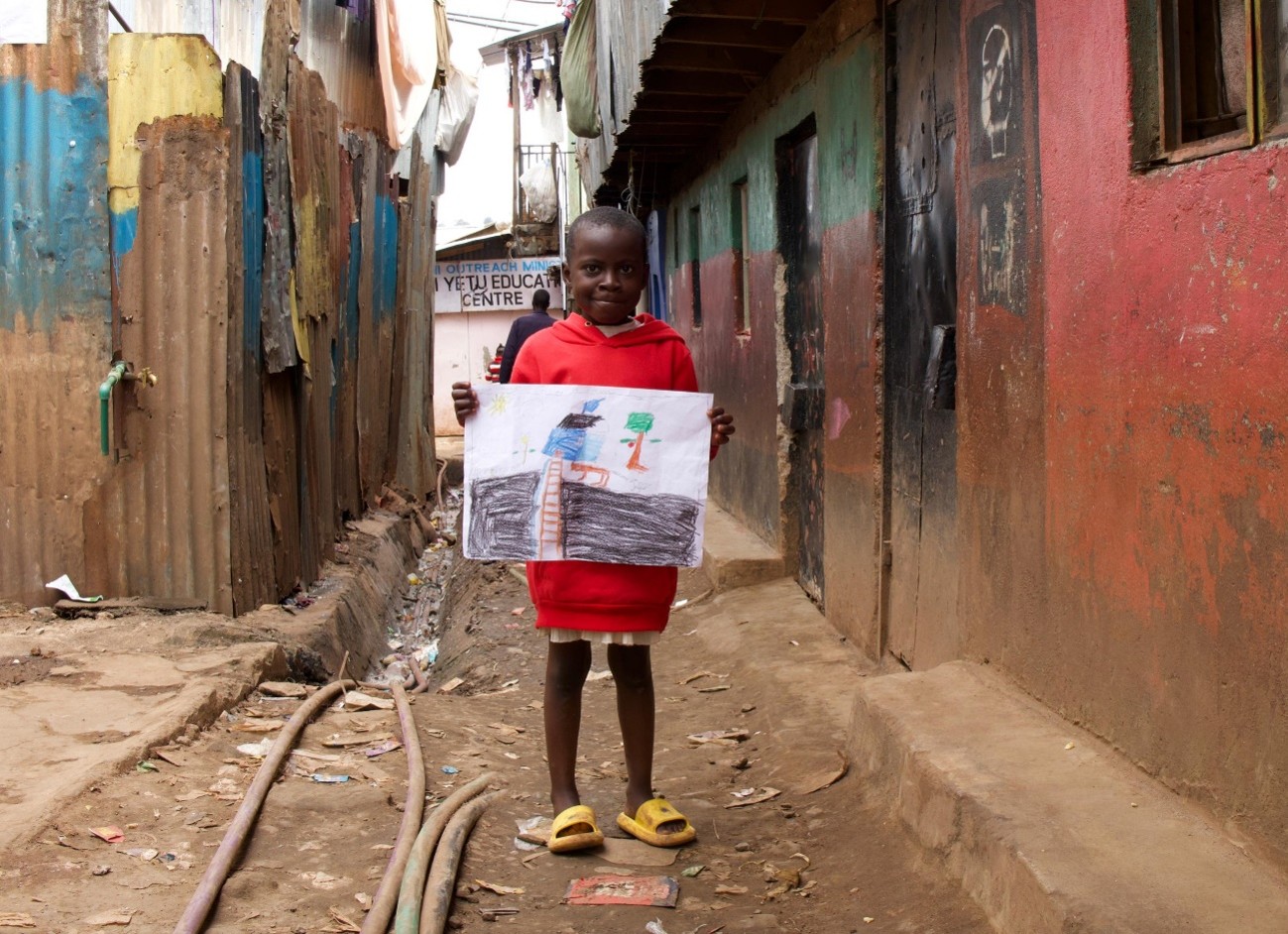
The Cassandra Conference has analysed the effects arising from climate change and its relationship with health, migration, gender equality and potential conflicts.
-
The event has stressed the need to recognise the reality of climate refugees, displaced as a result of disasters caused by climate change – a situation which could affect one billion people by 2050, according to the World Economic Forum.
-
Cassandra also underscored the need to include women in decision-making on the socio-political consequences of climate change.
PRESS ROOM
The Cassandra Conference highlights the drive for innovation and technology at a local level to address the impact of climate change
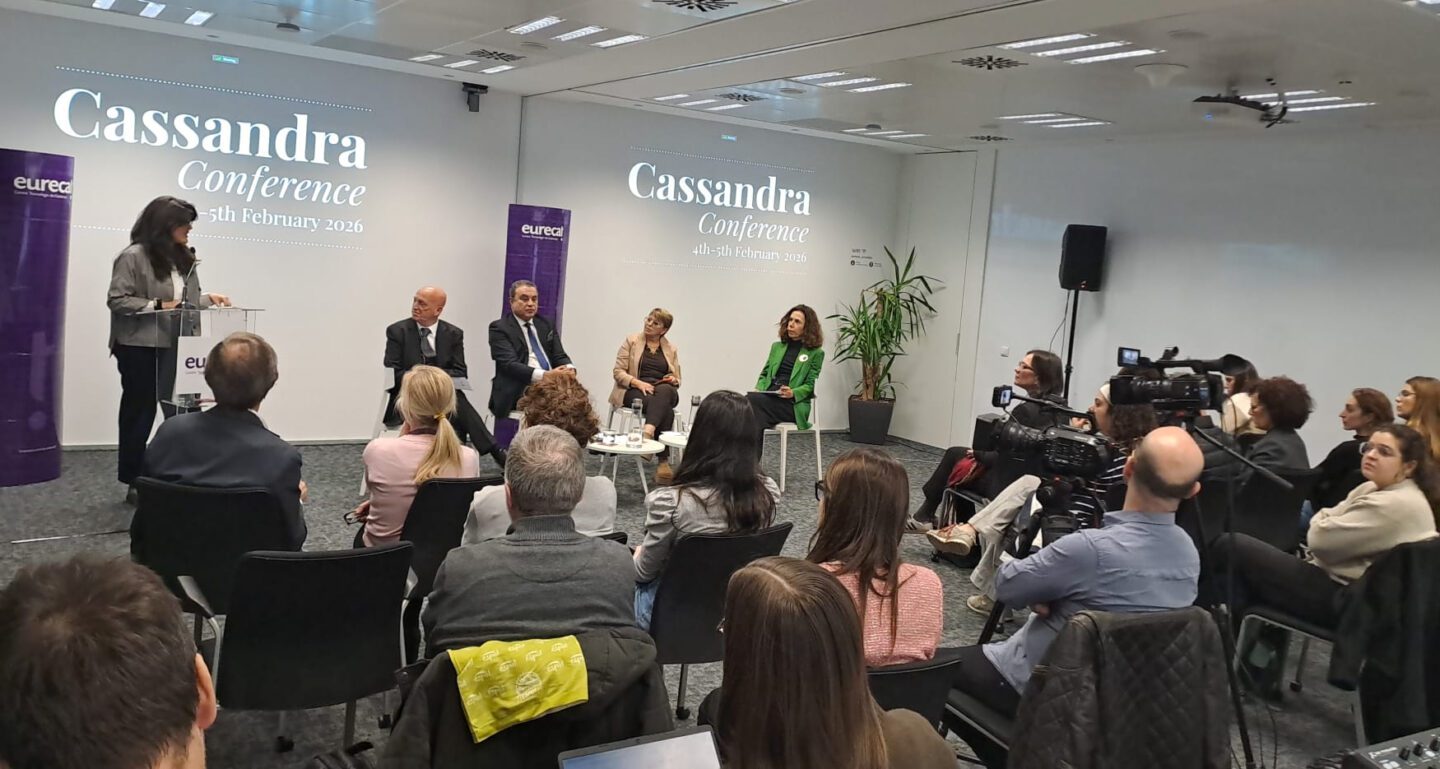
Barcelona, 17th February 2026.- The Cassandra Conference has highlighted the role of local communities in driving innovation and the development of technologies to help mitigate the impacts of climate change and its links to health, migration, gender equity and potential conflicts.
The third edition of the conference, which brought together over two days leading voices in science and technology with policymakers and representatives of civil society – including institutions such as the United Nations (UN) and The International Federation of Red Cross and Red Crescent Societies (IFRC) – showcased the experiences of the Local Climate Forums promoted by Cassandra in 38 countries across the Mediterranean region, Africa, India and the Middle East.
These forums support the collaborative work of local and cultural stakeholders, research institutions, technology centres and universities, with the aim of responding to local challenges related to climate change.
The Cassandra Conference also stressed the need to recognise the reality of climate refugees and to take action in response to displacement caused by climate-related disasters and environmental degradation, which could affect one billion people by 2050, according to the World Economic Forum.
On the second day, within the framework of a dialogue co-organised by Eurecat and the Club de Madrid – considered the world’s leading forum of former presidents and prime ministers – the Ambassador-at-Large for Water Diplomacy of the Republic of Slovenia, Tanja Miškova, highlighted the importance of gender equity in addressing climate change challenges.
“Women must be included in decision-making on water management, as they provide valuable contributions on social and environmental aspects that complement the more technical perspectives often brought forward by men. Without them, decisions may not be comprehensive and may even be flawed,” emphasised Tanja Miškova.
The round table discussion, focused on the intersection between climate change, water governance and gender equity, also featured the perspectives of former Prime Minister of Tunisia Mehdi Jomaa; former Minister of the Environment of Morocco and Co-President of the Paris Agreement, Dr Hakima El Haité; and Eurecat’s Head of Political Relations, Richard Elelman.
In Africa, as pointed out by the CEO of the Northern Kenya movement, Riptoya Kanano Elema, “Kenyans are struggling to survive, and water lies at the heart of this issue. We need political commitment because this is not only a local problem; it is also a global one.”
The Cassandra Conference “has highlighted the need for scientists and technologists to play a vital role in promoting sustainable change, particularly by driving technological development at a community level,” stressed Richard Elelman.
During the conference, organised by the technology centre Eurecat, the Cassandra programme – supported by more than 300 supranational institutions, NGOs, universities and research centres – announced its expansion in India and to new territories in South-East Asia and the American continent.
About Eurecat
Eurecat is one of the most important applied research and technology transfer organisations in Southern Europe. It brings together the expertise of more than 850 professionals who generate a volume of income of 69 M € per year. Serving more than 3,200 companies, Eurecat is involved in more than 200 projects of R&D national and international with high strategic value and has more than 250 patents and 10 technology companies. It has eleven centres in Catalonia, with a presence in Málaga, Madrid, and Chile. More information www.eurecat.org
7CIÈNCIES- El portal de ciència en català
Tanja Miškova “En molts països ja s’ha arribat a una ‘fallida hídrica’, l’aigua ja no és un recurs renovable”
Tanja Miškova és l’ambaixadora extraordinària per a la Diplomàcia de l’Aigua de la República d’Eslovènia i una experta reconeguda en governança de l’aigua, sostenibilitat ambiental i resiliència climàtica. És llicenciada en Relacions Internacionals, amb especialització en diplomàcia multilateral i política exterior europea, i va completar estudis de postgrau en dret internacional i polítiques ambientals. Ha ocupat càrrecs de responsabilitat dins del Ministeri d’Afers Exteriors d’Eslovènia, incloent-hi la direcció d’àrees vinculades a qüestions ambientals i climàtiques. Durant la presidència eslovena del Consell de la Unió Europea, va contribuir a situar l’aigua com una prioritat estratègica en l’acció exterior europea. Ens rep a la Conferència Cassandra organitzada per Eurecat i a 7Ciències ens parla de l’aigua no només com un recurs natural essencial, sinó com una eina clau per a la cooperació internacional, la construcció de confiança i la prevenció de conflictes. Escrit per: Núria Coll Bonfill (Directora de 7Ciències)
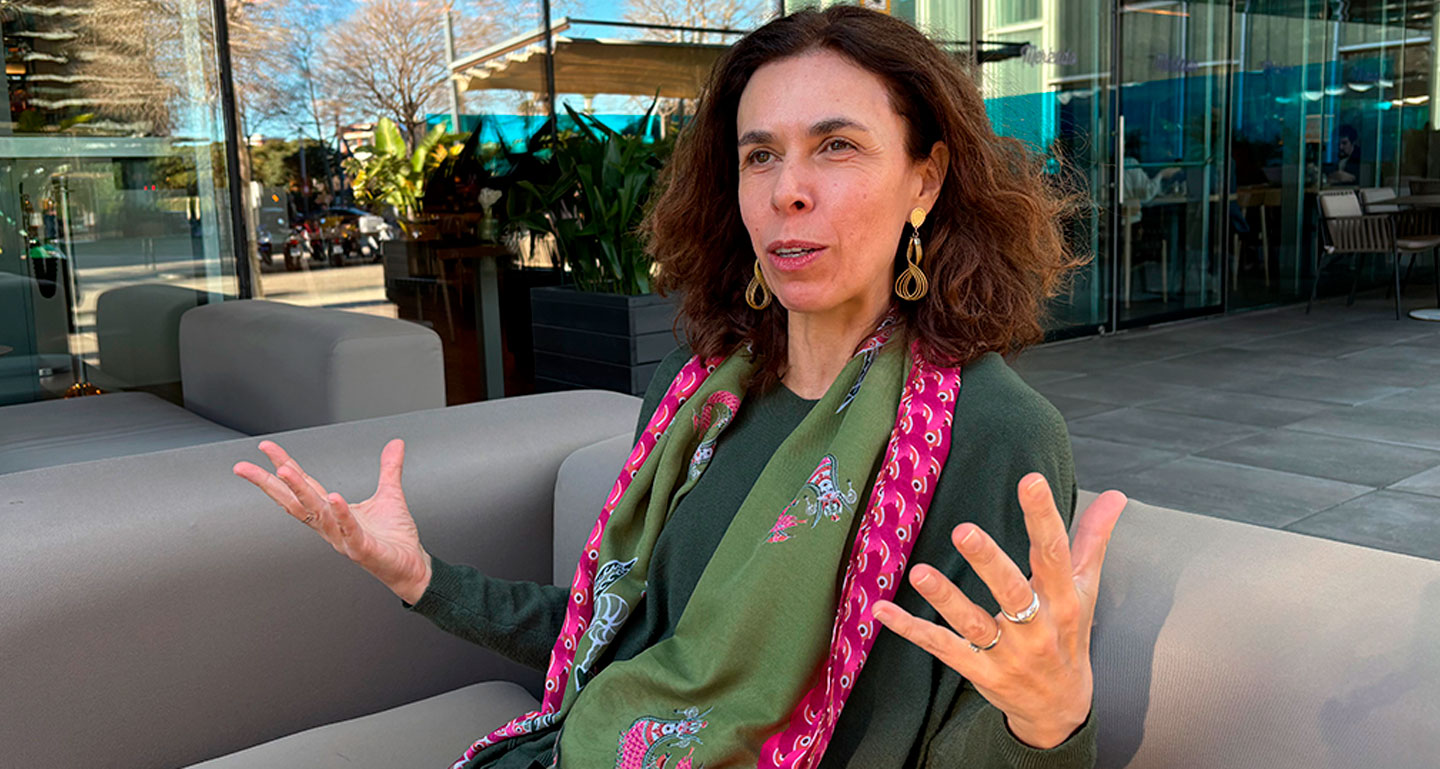
Després d’una trajectòria consolidada en diplomàcia multilateral i política exterior, quin va ser el moment o l’experiència que et va portar a centrar-te específicament en la diplomàcia de l’aigua?
Durant els primers 10 o 15 anys de la meva carrera vaig ser diplomàtica general, treballant sobretot a l’Orient Mitjà i al Mediterrani. Quan vaig tornar del Caire el 2018, vaig veure de prop la gravetat dels problemes d’escassetat d’aigua. Després vaig ser nomenada cap del Departament de Reptes Globals, incloent-hi qüestions ambientals, i vaig començar a centrar-me més en aquest àmbit. El 2021, quan Eslovènia va assumir la presidència del Consell de la UE, l’aigua va ser una de les prioritats i vam impulsar conclusions del Consell sobre l’acció exterior de la UE en aquesta matèria. Em vaig adonar que era un àmbit fascinant, amb moltíssim per fer. Em va captivar i s’ha convertit en una de les meves grans prioritats des de llavors.
Organismes internacionals com les Nacions Unides alerten que hem entrat en una situació de “fallida hídrica”. Què implica aquest escenari en termes pràctics per als governs i per a la ciutadania?
Per als governs, quan no hi ha prou aigua, la pregunta clau és: com utilitzem la que tenim? Per exemple, a l’Estat espanyol hi ha una indústria turística molt forta i una agricultura molt potent. En altres zones potser la indústria és el sector que més en consumeix. Quan els recursos són escassos, s’ha de decidir com es distribueixen.
Quan un país s’acosta o arriba a aquesta “fallida hídrica”, quins factors estructurals s’han de replantejar més enllà de la simple distribució del recurs?
Alguns països ja han arribat a un nivell de fallida hídrica i això vol dir que els recursos ja no són renovables. Això implica una transformació total. No és només una qüestió d’aigua, sinó de planificació territorial. On continuem construint ciutats, quin tipus d’agricultura promovem, quines tècniques de reg utilitzem, si fem reforestació o no, projectes per retenir l’aigua, etc. També cal pensar en l’augment d’esdeveniments extrems, com les inundacions. Són preguntes molt difícils, però on els governs han d’actuar.
En el cas concret d’Eslovènia, com ha impactat aquesta nova realitat climàtica en les polítiques públiques i en la consciència social?
El meu govern, per exemple, està molt conscienciat després de les inundacions catastròfiques que vam tenir fa tres anys, que van afectar dos terços del país. Hi ha comunitats que han hagut de marxar perquè és impossible quedar-se on eren. Aquestes transformacions són molt dures. Però s’ha de tenir en compte que el cicle de l’aigua és global —l’aigua que cau aquí pot haver-se format a l’altra banda de l’Atlàntic— i hem d’abordar-ho també globalment. I això no és gens fàcil…………………
Contínua llegint l’entrevista aquí: