Migration
Environmental degradation and climate-related disruptions contribute to displacement, migration and the abuse of basic human rights creating new humanitarian and social challenges.




Migration
Environmental degradation and climate-related disruptions contribute to displacement, migration and the abuse of basic human rights creating new humanitarian and social challenges.

Conflict Prevention
Climate pressures can intensify competition for resources, social tensions and instability. Furthermore, environmental resources have been transformed into both the victims of armed conflict and a means of waging war, making dialogue and cooperation more important than ever.
Health
Climate change is increasingly affecting public health through extreme weather events, food insecurity, water stress and the spread of disease.

Gender Equality
Women and girls are often disproportionately affected by climate-related impacts, making gender-responsive approaches essential for resilience and adaptation.

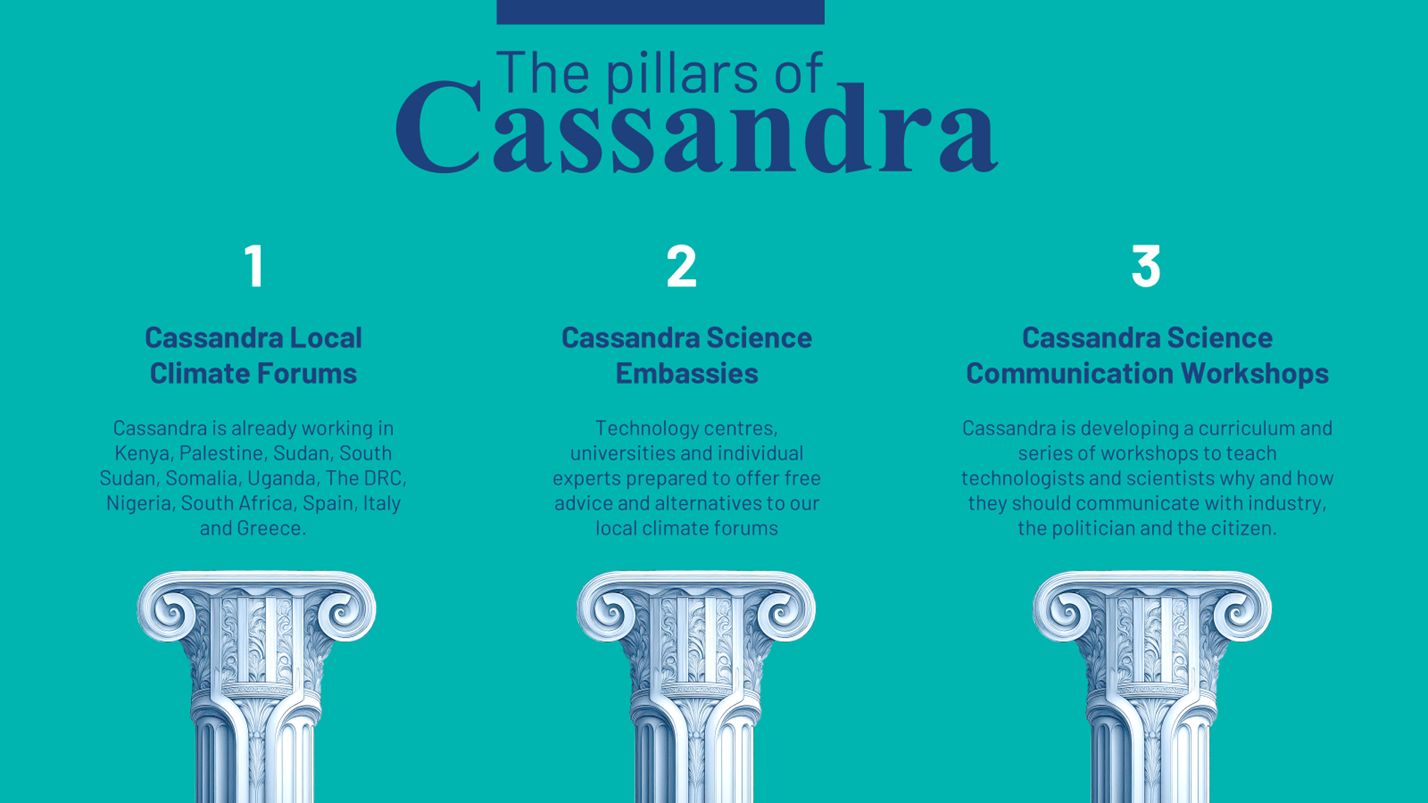
Pre-existing local community-led organisations and initiatives addressing climate-related challenges on the ground.
Local Climate Forums identify priorities, mobilise their communities, share experiences and ensure that strategic responses faithfully reflect local realities and needs.
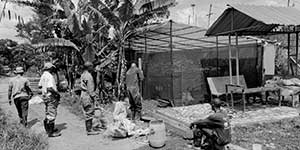
A network of scientists, researchers, universities and technology centres committed to sharing knowledge and supporting communities when requested.
Science Embassies permit local initiatives to receive timely expert support when required. In turn, experts develop beneficial relationships with those working on the ground to better understand the real picture.
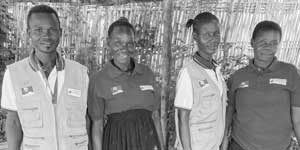
Building the skills, practices and connections needed to foster dialogue between science and society.
Cassandra promotes science communication and community engagement. In this way, science and research can assume their sociopolitical responsibilities.
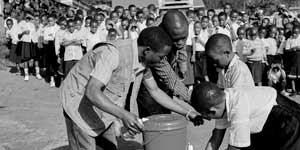
Communities hold knowledge, expertise and solutions. Cassandra is committed to supporting community-led priorities and amplifying local voices.
Trust in science is built through engagement, listening and collaboration. Science becomes most valuable when it is accessible and responsive to community needs.
Effective responses to climate challenges require trust and meaningful cross-sector collaboration. This can only be achieved by scientists and researchers employing open, transparent and above all, accessible means of communication.

Eurecat believes that technology centres, universities and research institutions must recognise that they have a social responsibility to work closely with society as a whole, to join forces and help unite the social helix of modern society. Eurecat acts as a neutral convener, bringing together communities, scientists and institutions to foster collaboration, strengthen connections and create opportunities for knowledge to be shared, recognised and most importantly, translated into meaningful action.


